
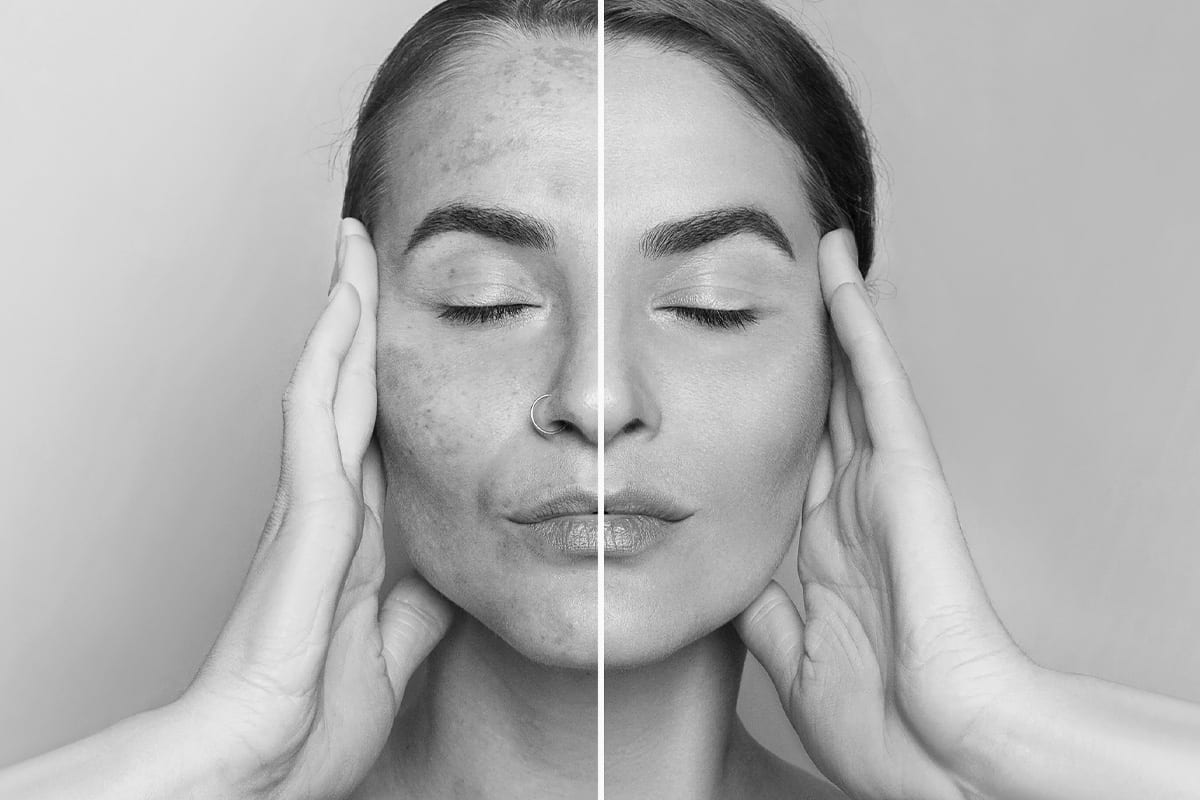
Melasma can be incredibly frustrating. You finally get your pigmentation under control—and then summer arrives, you spend a little more time outside, or your hormones change, and suddenly those familiar brown patches seem to appear again.
If this sounds familiar, you’re definitely not alone. At B.TOX.BAR, we see clients who have tried brightening serums, chemical peels, hydroquinone, facials, and even previous laser treatments but still struggle with recurring pigmentation.
One treatment you may have heard about is PicoWay®. But here’s the important question: Is PicoWay actually good for melasma? The answer is more complicated than simply saying yes or no. Let’s talk about it.
First, What Exactly Is Melasma?
Melasma is a common pigmentation condition that causes brown or gray-brown patches on the skin. It frequently appears on the cheeks, forehead, upper lip, nose, and chin.
Unlike an isolated sunspot, melasma can be influenced by multiple factors, including sun exposure, visible light, hormones, genetics, heat, and inflammation.
That’s one reason melasma can be so difficult to manage. You aren’t simply removing a brown spot. You’re managing skin that has a tendency to produce excess pigment.
Why Does My Melasma Keep Coming Back?
This is probably the most frustrating part of melasma. You can dramatically improve the pigmentation and still experience another flare.
Common triggers may include:
- Sun exposure: UV exposure is one of the biggest melasma triggers.
- Visible light: Light exposure can also contribute to pigmentation, particularly in certain skin tones.
- Hormonal changes: Pregnancy, hormonal medications, and other hormonal changes may influence melasma.
- Heat: For some people, significant heat exposure may aggravate pigmentation.
- Inflammation: Irritating the skin too aggressively can sometimes stimulate additional pigment production.
This is why treating melasma aggressively isn’t always better. Sometimes less is more.
What Is PicoWay?
PicoWay is an FDA-cleared picosecond laser platform that delivers extremely short pulses of laser energy. Depending on the wavelength and treatment settings, PicoWay can be used for several pigment-related concerns as well as tattoo removal and certain acne scars.
For pigmentation treatments, the goal is to target unwanted pigment while minimizing unnecessary injury to surrounding tissue. And that’s particularly important when we’re dealing with melasma-prone skin.
How May PicoWay Help Melasma?
For appropriately selected patients, PicoWay may be incorporated into a melasma treatment plan to help improve the appearance of unwanted pigmentation. But there is something every melasma patient should understand:
Melasma requires careful treatment.
Melasma isn’t the same thing as treating a simple sunspot. Using too much energy or creating excessive inflammation can potentially make pigmentation worse, particularly in patients prone to post-inflammatory hyperpigmentation.
That’s why we don’t believe in taking a “turn the laser up and blast the pigment away” approach. With melasma, controlled and conservative treatment matters.
Can Laser Make Melasma Worse?
Yes, it can—which is why proper patient selection and treatment settings are so important. Any procedure that creates excessive irritation, heat, or inflammation may potentially trigger additional pigmentation in susceptible skin.
That’s why treating melasma should never be approached as simply choosing a laser. The treatment plan and treatment parameters matter just as much as the device.
Preparing Your Skin Before PicoWay
Good melasma treatment often starts before the laser ever touches your skin.
Depending on your skin and medical history, your provider may recommend a pre-treatment skincare regimen designed to help manage pigment production and support the skin barrier.
This may include ingredients such as:
- Hydroquinone when appropriate
- Vitamin C
- Retinoids when appropriate
- Other pigment-correcting ingredients
- Gentle moisturizers
- Daily sunscreen
Not everyone should use the same products, so your regimen should be individualized.
Sunscreen Is Part of Your Melasma Treatment
If you’re treating melasma but skipping sunscreen, you’re fighting an uphill battle. Daily sun protection is essential.
We generally recommend broad-spectrum SPF 30 or higher every day, with appropriate reapplication when outdoors. For people with melasma, tinted sunscreens containing iron oxides may provide additional protection against visible light.
Hats and shade are your friends, too. Think of sun protection as part of your melasma treatment—not simply an aftercare recommendation.
How Many PicoWay Treatments Will I Need?
There isn’t one magic number. Melasma treatment is highly individualized, and some patients may require a series of treatments combined with consistent at-home skincare and sun protection.
More importantly, melasma often requires maintenance. Think of it less like removing a tattoo and more like managing a chronic tendency toward pigmentation.
Our goal is improvement and control—not promising that melasma will disappear forever.
PicoWay + Skincare: Why Combination Treatment Matters
One of the biggest misconceptions in aesthetics is that one device should solve everything. Melasma usually requires a comprehensive approach.
Depending on the individual, a treatment plan may involve:
- PicoWay treatments
- Prescription or medical-grade skincare when appropriate
- Pigment-inhibiting ingredients
- Daily sun and visible-light protection
- Skin-barrier support
- Lifestyle modifications
- Maintenance treatments
Treating the visible pigmentation is only one piece of the puzzle. Helping reduce future flare-ups is equally important.
Melasma vs. Sunspots: Know What You’re Treating
Not every brown spot is melasma. Sunspots, freckles, post-inflammatory hyperpigmentation, and melasma can sometimes look similar—but they may require very different treatment approaches.
That’s why we recommend having pigmentation evaluated before jumping into laser treatment. Correct diagnosis comes first. Treatment comes second.
The B.TOX.BAR Approach to Melasma
When it comes to pigmentation, more aggressive doesn’t always mean better. Our philosophy is to respect the skin.
We evaluate your skin type, pigmentation history, previous treatments, current skincare, and individual risk factors before recommending a treatment plan.
For the right candidate, PicoWay can be one tool within a thoughtful, comprehensive approach to managing stubborn pigmentation.
Because beautiful results aren’t simply about owning the latest laser. They’re about knowing when to treat, how to treat, and when not to treat.
Ready to Talk About Your Pigmentation?
If you’ve been battling stubborn brown patches and aren’t sure whether you’re dealing with melasma, sun damage, or another form of hyperpigmentation, start with a consultation.
At B.TOX.BAR, we’ll evaluate your skin and discuss whether PicoWay or another pigmentation strategy may be appropriate for you. Because treating pigmentation isn’t about chasing every brown spot.
It’s about understanding why it’s there in the first place—and creating a personalized plan for clearer, healthier-looking skin.
